Making Digital Finance Fair for the Next Generation of Women

Across Africa, digital finance is transforming the way people interact with money. In countries like Sudan, South Africa, and Ethiopia, this transformation is happening fast, bringing both incredible opportunities and serious challenges. For young women, these changes carry a deeper meaning. Digital finance isn’t just about technology; it’s about access, dignity, and power. It can either bridge long-standing gender gaps or deepen them further.
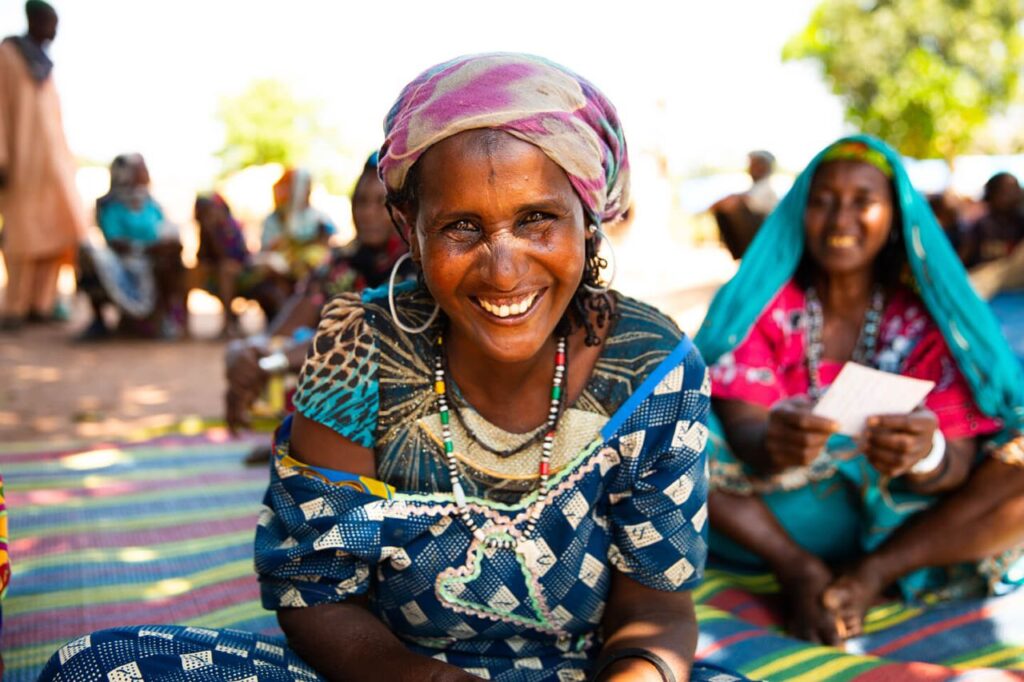
In Sudan, where conflict and economic instability have already placed many women on the margins of the financial system, digital platforms are emerging as new ways to send and receive money, build small businesses, and access financial services without needing to rely on traditional banks. Yet the reality is not as easy as it seems. Internet blackouts, high costs, and unequal access to mobile phones mean that many women, especially those in rural areas or displaced communities, are still excluded from this digital shift. If digital finance is to be fair, it must reach the women who have historically been left behind, not just those in urban centers.
In South Africa, the picture is more complex. The country has one of the most developed digital finance ecosystems on the continent, with many women already using mobile banking, digital wallets, and fintech platforms. But even here, the digital divide remains clear. Women in low-income communities face higher barriers to accessing credit, financial education, and secure online platforms. Many are still vulnerable to digital scams, high transaction costs, and platforms that weren’t designed with their realities in mind. Fairness, in this case, is not just about access ,it’s about protection, affordability, and trust.
Meanwhile, in Ethiopia, young women are stepping into new spaces of financial independence. With the expansion of mobile networks and fintech innovation, digital finance is becoming more accessible than ever. However, gaps in digital literacy and infrastructure are still significant. Many women don’t receive the training or support they need to use these platforms safely and effectively. When women are excluded from shaping the financial systems that govern their lives, they lose more than opportunities, they lose power.
Making digital finance fair for the next generation of women in these three countries means going beyond access. It means building systems that are safe, affordable, and designed for real people, not just statistics. It means ensuring that women ,whether they are in Khartoum, Johannesburg, or Addis Ababa, can trust that their data is protected, their rights are respected, and their voices matter.
According to the Global Findex Database 2021 (World Bank), the gender gap in account ownership remains significant across many parts of Africa. While digital financial services—particularly mobile money,are expanding, women continue to face barriers related to access, literacy, and affordability.The World Bank and IFC’s report on Women and Digital Financial Services in Sub-Saharan Africa (2022) provides deeper insight into how socio-economic and age dynamics affect women’s participation in the digital economy. For instance, younger women are more likely to adopt mobile wallets, but their usage often remains limited to basic transactions such as sending or receiving money,rather than long-term financial activities like savings or credit.
Meanwhile, research from the Brookings Institution (2023) highlights how digital finance is emerging as a key enabler for women’s financial inclusion in Sub-Saharan Africa,boosting both economic independence and community resilience. Yet, systemic challenges such as the digital divide, gender norms, and regulatory constraints continue to persist, slowing progress toward equitable digital financial inclusion across the continent.
It also means investing in young women themselves. Digital finance will only be sustainable if the next generation understands how to use it, how to protect themselves online, and how to lead in this space.
This requires education, training, and mentorship, but also bold policy choices that prioritize women’s rights and leadership.Throughout this journey, one thing is clear: women are not just users of digital finance , they are changemakers. When young women in Sudan, South Afr\ica, and Ethiopia gain fair access to digital finance, they build businesses, support their families, and strengthen entire communities. They redefine what financial power looks like
For this transformation to be real, governments, financial institutions, and tech companies must center women’s needs in their strategies. Fairness isn’t a luxury; it’s a necessity. The future of digital finance in Africa will be defined not just by technology, but by who gets to lead it. And if young women are given the tools, trust, and space to lead, the future will be brighter, fairer, and more just for everyone.
Leena EISA
This WanaData story was supported by Code for Africa and the Digital Democracy Initiative as part of the Digitalise Youth Project, funded by the European Partnership for Democracy (EPD).